Healthy child
Learn how to raise your child naturally and holistically using safe, natural solutions for healthy growth and development. 
-
Omega-3: Superpower for Your Child’s Brain and Eyes
The first 1,000 days – a critical period of development The period from conception to around a child’s second birthday is crucial for brain and immune system development. During this time, neural connections form, laying the foundation for learning and lifelong health. This is why the concept of the first 1,000 days as a “window of opportunity” has emerged, supported by extensive scientific evidence. Research shows that early interventions can bring substantial benefits for both individual children and society as a whole. You may have already read my previous post on the important role of DHA during pregnancy for your baby’s brain health. Its significance, however, does not end with…
-
How to Teach Your Child to Eat Healthy
We all want healthy children. Thanks to advances in medicine, newborn survival rates are now the highest in history. Even surgeries performed in the womb are possible today. We have access to advanced diagnostics that allow us to detect diseases at very early stages, before they develop. High hygiene standards have eliminated most infectious diseases, and antibiotics—although often overused in the past—can now effectively treat infections that used to be fatal. And yet, despite these incredible achievements, the health of today’s children is increasingly concerning. Chronic conditions, metabolic disorders, allergies, gut issues, and neurodevelopmental problems are on the rise. Not everything comes down to food alone, but childhood is when…
-
Medicinal mushrooms in the daily diet
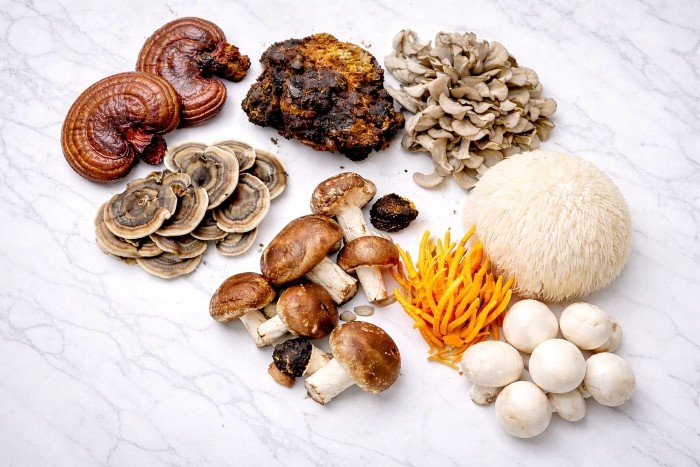
Medicinal mushrooms, also known as functional or medical mushrooms, are appearing more and more frequently in supermarkets and cafés. They are available in capsule form, but in reality they are functional foods that can be easily incorporated into the daily diet. I first encountered them in a café during a lunch break. I wanted to have a coffee, and a colleague recommended a mushroom latte. At first I was sceptical—I couldn’t imagine anything more off-putting. The drink contained no coffee and no caffeine—only frothed coconut milk, dried and powdered Reishi mushrooms, and a small amount of coconut sugar. I tried it, and the taste was surprising. Not mushroom-like at all,…
-
6 Harmful Chemicals to Avoid in Baby Care Products
The skin is the largest organ in the human body. It acts as a barrier that protects us from the outside world. It’s no wonder that what we apply to our skin can significantly affect our health. Many chemicals present in cosmetics can penetrate the skin, causing both internal and external issues. When it comes to baby care, it is especially important to avoid ingredients known for their aggressiveness. A baby’s skin is particularly delicate and much thinner than that of an adult, making it more susceptible to irritation. Therefore, choosing safe care products is a key task for every parent or caregiver. When a baby is born, it is…
-
How We Treat the Flu in Our Kids Naturally
I’m writing this post during a special moment—we’ve just recovered from the flu, and for me, it was the hardest one I’ve ever experienced. As usual, our children handled it much better. Their illness lasted only two days, during which they slept a lot and had a mild fever. My eldest son is now four years old and has never taken any medication, while my younger son has had antibiotics only once. From the beginning, we have chosen to treat them naturally, using herbs, homeopathy, vitamins, and a health-supporting diet. When I was a child, every infection meant antibiotics and syrups from the doctor, along with sweets from family members…
-
Paracetamol in Infancy and Childhood: Hidden Risks to Brain Development
Paracetamol, known as acetaminophen in the USA, is a widely used pain reliever and fever reducer. In the USA, it is commonly sold under the brand name Tylenol, while in the UK, it is marketed as Calpol. It is frequently administered to infants and children and is widely available, as recommended by the National Health Service (NHS) in the UK. As a result, nearly every household has it in their medicine cabinet. However, emerging evidence suggests that the use of paracetamol early in life may lead to long-term neurological issues. Paracetamol and Toxicity While paracetamol can cause liver damage in adults, studies indicate that its use during early childhood may…