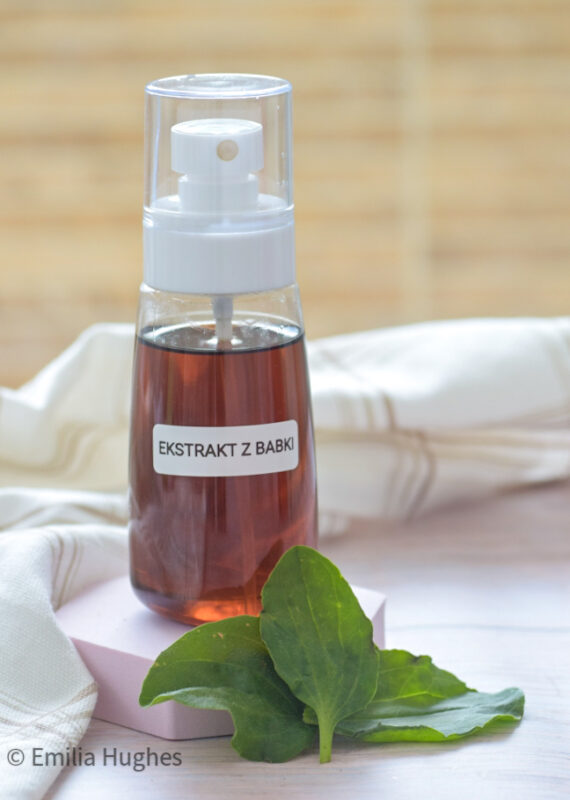
Plantain Alcohol Tincture for Cuts, Insect Bites and Blemishes
Ribwort plantain (Plantago lanceolata) is one of the most versatile herbs found in meadows across Poland. For generations, it has been used to treat minor cuts and wounds, as well as to soothe sore throats and coughs. Freshly picked plantain is considered the most effective form—simply crush or chew a leaf and apply it directly to an insect bite, scratch, or small wound. However, fresh plantain is not always available when needed, which is why it is worth preparing herbal remedies that can be stored and used throughout the year.
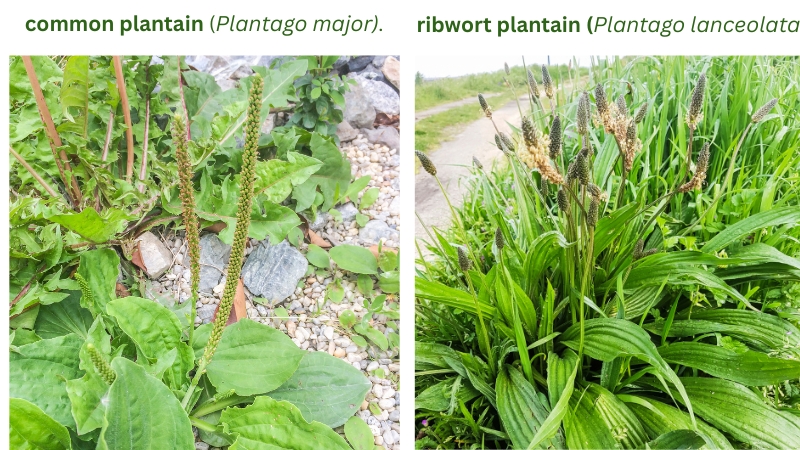
It is also worth knowing that there are two common types of plantain: common plantain (Plantago major) and ribwort plantain (Plantago lanceolata). In everyday language, people often refer to both simply as “plantain,” but the name ribwort plantain correctly applies only to the species with long, narrow leaves. Ribwort plantain is the variety most commonly used for making herbal syrups for sore throats and coughs. For external use on minor cuts, scrapes, and insect bites, however, both ribwort plantain and common plantain can be used effectively.
Summer is the perfect time to take advantage of nature’s gifts and prepare a homemade plantain tincture. With it, you can have a natural skin-care remedy on hand throughout the year. But is plantain’s reputation simply a folk remedy passed down from generation to generation? Or have its beneficial properties been confirmed by modern science?
What does the research say?
Modern research confirms that the benefits of plantain are not merely part of traditional folk medicine. In one study, researchers used an extract of common plantain (Plantago major) to create a wound dressing.
Here is what they found:
- The plantain extract inhibited the growth of Staphylococcus aureus, including methicillin-resistant strains (MRSA).
- It demonstrated strong antioxidant activity.
- Dressings containing the extract showed excellent moisture and wound exudate absorption, creating conditions that support wound healing.
- The extract was released gradually over a period of approximately 24 hours.
This study suggests that plantain extract possesses properties that may support the wound-healing process.
In another study, researchers investigated the effects of an alcoholic extract of common plantain leaves against Pseudomonas aeruginosa—a bacterium commonly responsible for burn wound infections and well known for its high resistance to antibiotics.
The researchers found that the plantain extract inhibited bacterial growth, and its effectiveness increased with concentration. The strongest extract exhibited significant antibacterial activity even against strains with considerable resistance to commonly used antibiotics.
As we can see, the medicinal properties of plantain are not merely based on traditional knowledge. Numerous studies and scientific reviews have reported its anti-inflammatory, antibacterial, and wound-healing potential, which may help explain why it has been used for centuries as a natural remedy for cuts, scrapes, and insect bites.
Today, I’ll show you how to make a plantain extract step by step
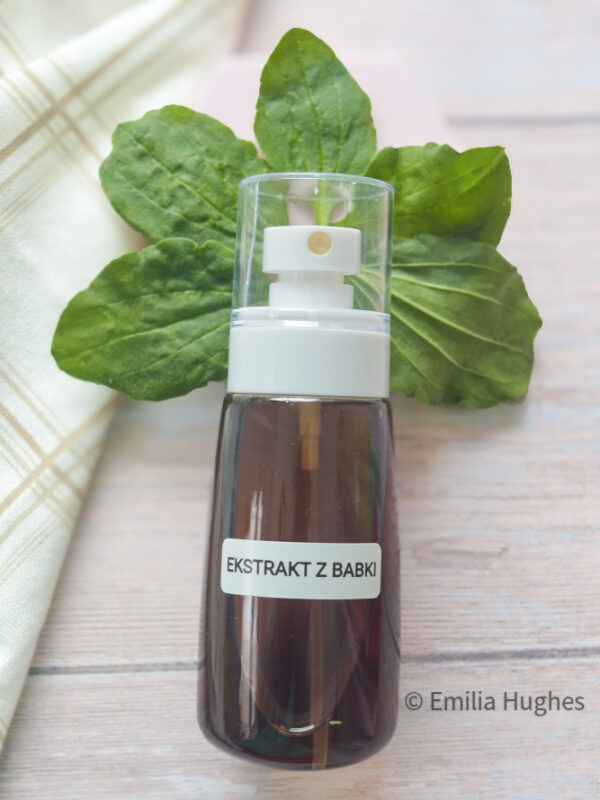
Plantain Alcohol Extract for Cuts, Insect Bites and Blemishes
Equipment
- 1L glass jar
- dark glass spray bottle
Ingredients
- Fresh plantain leaves
- 40 % vodka or ethanol diluted to approximately 40–60%.
Instructions
- Fresh plantain leaves
- 40% vodka or ethanol diluted to approximately 40–60%.
- Harvest fresh ribwort plantain leaves (Plantago lanceolata) and wash them thoroughly.
- Dry the leaves in a salad spinner to remove excess water before use.
- Chop or lightly crush the leaves to release their active compounds.
- Fill a clean glass jar about halfway to two-thirds with the prepared leaves.
- Pour over 40% vodka or diluted alcohol (40–60%) until the leaves are completely covered.
- Close the jar tightly and shake gently.
- Store in a cool, dark place for 4–6 weeks, shaking the jar every few days.
- After maceration, strain the liquid through cheesecloth or a fine sieve.
- Pour the tincture into a clean, dark glass bottle for storage.
Notes
Storage
Store in a cool place, away from direct sunlight.Shelf life
Thanks to its alcohol content, the extract remains stable for approximately 1–2 years, provided it is stored properly.Small note
If the leaves are washed, they should be thoroughly dried before being covered with alcohol. Excess water can shorten the shelf life of the extract and increase the risk of mould development.Leave a comment below and let me know if you’ve ever used plantain for skin care or if you’re planning to try this tincture.


You May Also Like
Homemade Elderberry Syrup (sambucol)

Peppermint Roll-On for Headaches and Cold Sores